Degree Overview
- Delivery Format: on-campus
- Required Credits: 120
Program Details
The Bachelor of Science in Forensic Science provides a rigorous STEM education that prepares students for careers at the intersection of science and the legal system.* Through an interdisciplinary curriculum grounded in biology, chemistry, physics, mathematics, and investigative science, students develop the scientific knowledge and practical skills needed to collect, analyze, interpret, and communicate forensic evidence.
Students gain extensive laboratory experience, hands-on training with modern forensic instrumentation, field-based investigative techniques, and opportunities for professional networking. Throughout the program, emphasis is placed on scientific integrity, ethical decision-making, evidence handling, and effective courtroom communication. Students customize their education by selecting one of four concentrations offered:
- Forensic Biology
- Forensic Chemistry
- Digital Forensics
- Crime Scene Investigation (CSI)*
*NJIT's BS in Forensic Science degree program is accredited by the Forensic Science Education Programs Accreditation Commission (FEPAC) in the areas of Forensic Biology, Forensic Chemistry, and Digital Forensics.
(The CSI concentration is not FEPAC accredited).
What You Will Learn:
The Forensic Science curriculum combines a strong scientific foundation with specialized forensic training to prepare graduates for careers in crime laboratories, law enforcement agencies, government laboratories, and related scientific fields.**
Upon completion of the program, students will be able to:
- Apply scientific principles to the recognition, collection, preservation, analysis, interpretation, and presentation of forensic evidence.
- Demonstrate proficiency in core forensic disciplines, including crime scene investigation, trace analysis, pattern evidence, forensic microscopy, DNA analysis, chain of custody procedures, and courtroom testimony.
- Apply theoretical knowledge through the Forensic Science Capstone, completed through a forensic laboratory internship/co-op, independent faculty-mentored research, or a senior seminar.
- Develop advanced expertise in one of four concentrations: Forensic Biology, Forensic Chemistry, Digital Forensics, or Crime Scene Investigation.
- Apply current forensic methods, instrumentation, quality assurance practices, and professional standards to scientific problem-solving.
- Communicate scientific findings effectively through written reports, oral presentations, and expert testimony.
- Build a strong foundation in biology, chemistry, physics, and mathematics that prepares graduates for careers in forensic science, law enforcement, government laboratories, environmental forensics, and related STEM professions, as well as graduate study in forensic science, medicine, dentistry, law, and other scientific disciplines.
**Employment in many forensic science positions may require background investigations similar to those required for law enforcement personnel.
Admissions & curriculum
Forensic Science Salaries
Starting Salary, NJIT Average
Mid-Career Salary, National Average
Employment of forensic science technicians is projected to grow 13 percent from 2024 to 2034, much faster than the average for all occupations.
Where do Forensic Science majors work?
- Bloodstain Pattern Analyst
- Crime Scene Investigator
- Crime Laboratory Analyst
- Forensic Ballistics Expert
- Medical Examiner
- Investigation and Security Services
- Local and State Government
- Medical and Diagnostic Laboratories
What our students are saying
-
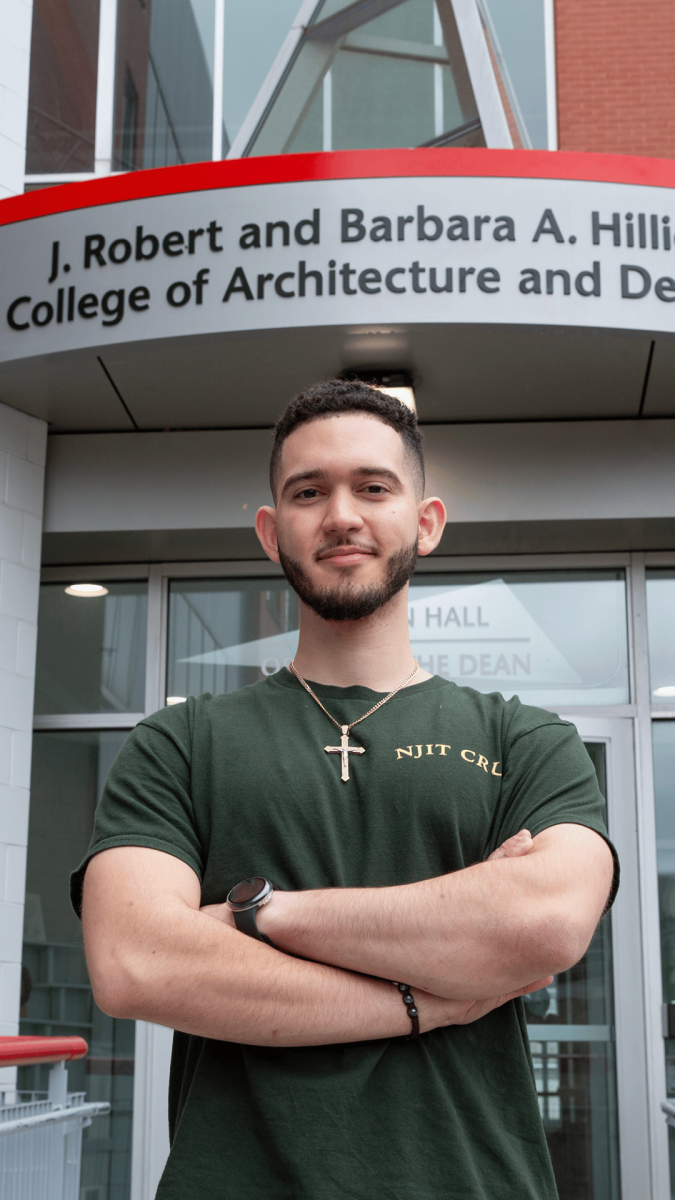
NJIT was my dream school."Hilsson Angeles -
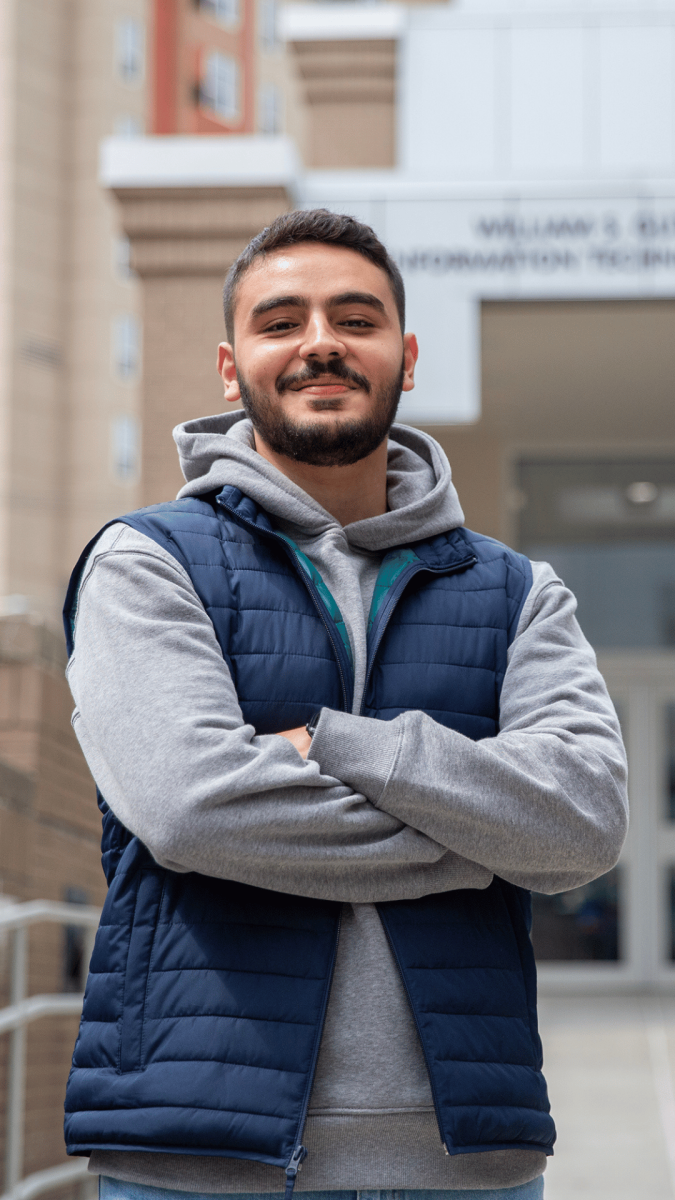
Getting a degree from a great school like NJIT gave me the opportunity to choose the job I wanted."Seif Issa
Tuition Cost
How Much does it cost to Attend NJIT?
Contact Us
Need Help? We’re here to advise you.