Degree Overview

  • Delivery Format: on-campus
  • Required Credits: 12

Program Details

This primarily online certificate is designed for recent STEM graduates and working professionals. The curriculum consists of two required core courses and two electives. Students study biotechnology processes and bioprocess unit operations, then select electives in areas such as pharmaceutical quality and regulation, operations and technology management, digital biomanufacturing, or biologically driven engineering systems. An optional three-credit summer capstone, project, or internship may be completed in addition to the 12 required credits.

What You Will Learn:

  • Microbial and mammalian bioprocessing principles
  • Industrial biotechnology manufacturing workflows
  • Upstream and downstream bioprocess operations
  • Filtration, centrifugation, chromatography, and separation processes
  • Bioprocess scale-up and manufacturing systems
  • Good Manufacturing Practice compliance
  • Pharmaceutical quality systems, validation, and regulatory requirements
  • Process data analysis and digital biomanufacturing
  • Project management, technology transfer, and production operations

Admissions & curriculum

Explore this area of study

Chemical Engineering Salaries

$75,900

Starting Salary, NJIT Average

$86,991

Mid-Career Salary, National Average

NJIT’s Chemical Engineering program is in the top 100 in the country
Career Prospects

Where do Chemical Engineering majors work?

Common Job Titles
  • Chemical Engineer
  • Process Engineer
  • Manufacturing Engineer
  • Product Engineer
  • Research And Development Engineer
Top Employers
  • Colgate-Palmolive
  • FM Global
  • L'Oreal USA
  • Phillips 66
  • TEVA Pharmaceuticals

What our students are saying

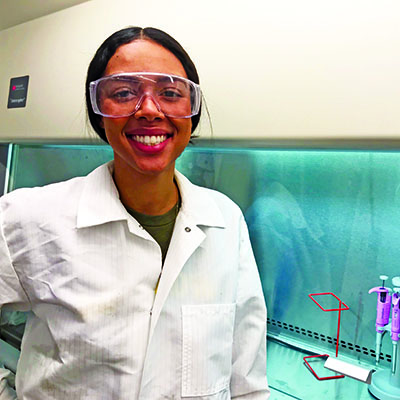
  • Victoria Harbour
    What I love about research at NJIT is that primary investigators draw on creative and hardworking thinkers throughout the campus community. "
    Victoria Harbour
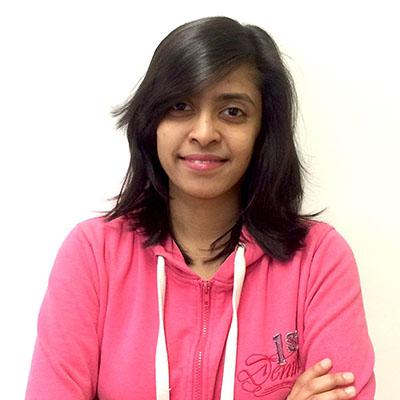
  • Mehnaz  Mursalat
    I’m working on microfluidic biosensors for cancer detection. We hope this technology will replace invasive biopsies. "
    Mehnaz Mursalat
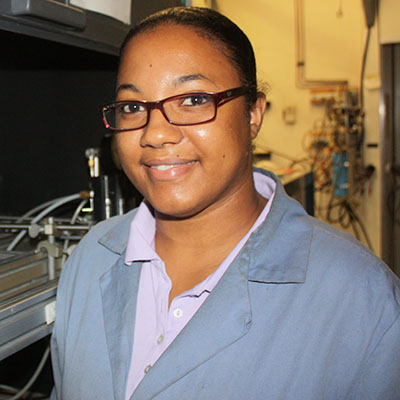
  • Kerri-Lee  Chintersingh
    I’m interested in current challenges the energy community faces."
    Kerri-Lee Chintersingh