Newark College of Engineering

Degree Overview

  • Delivery Format: online
  • Required Credits: 30

Admissions & curriculum

Explore this area of study

Industrial Engineering Salaries

$121,555

Mid-Career Salary, National Average

$142,083

Mid-Career Salary, NYC Metro Area

Employment of industrial engineers is projected to grow 10 percent by 2026, faster than the average for all occupations.

Learn About The department of Industrial Engineering
What our students are saying
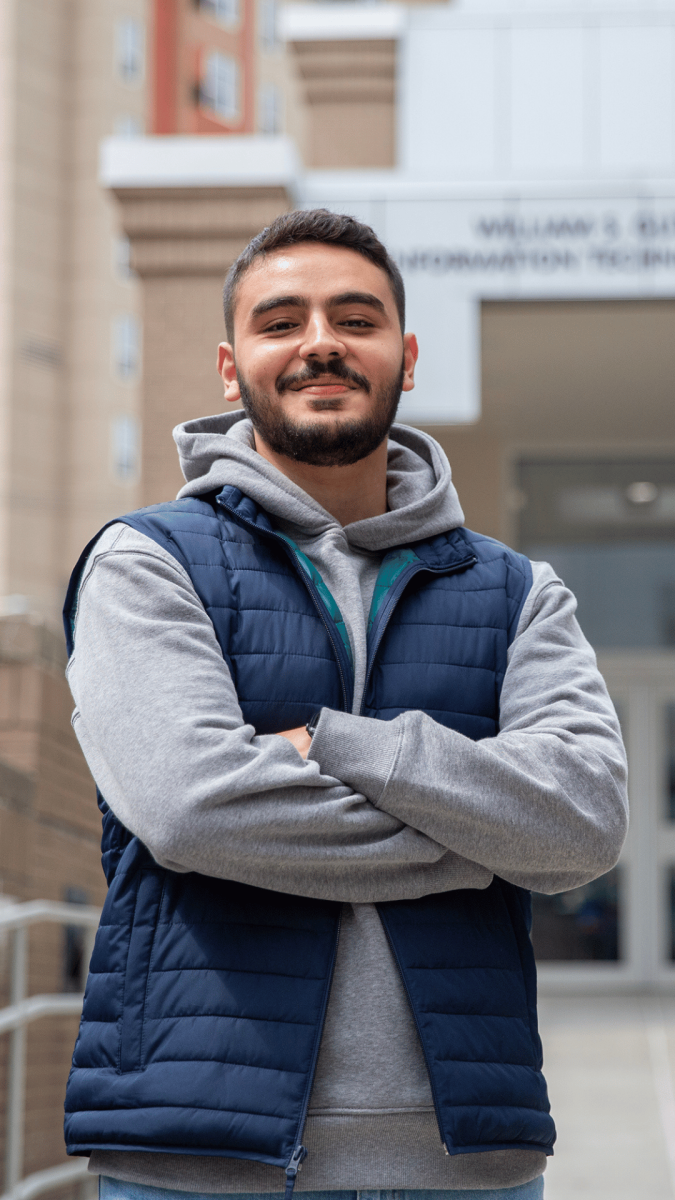
  • Jeremy  Bedient
    Living on campus has really allowed me to develop a cool community of friends."
    Jeremy Bedient
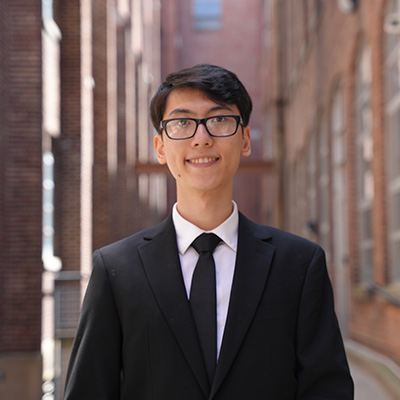
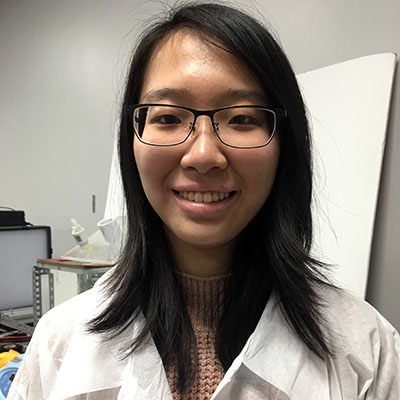
  • Jingran  Zhang
    My IE degree from NJIT has opened my mind to innovative and dynamic thinking."
    Jingran Zhang
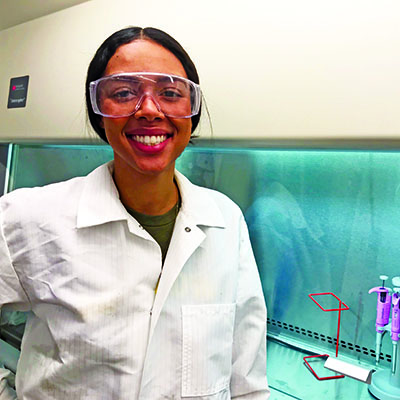
  • Carla  Jones
    NJIT is the place that helped to develop the foundation upon which I stand today."
    Carla Jones

Contact Us

Need Help? We’re here to advise you.

Degree Overview

  • Delivery Format: online
  • Required Credits: 30

Admissions & curriculum

Accelerated Option

Explore this area of study

Civil Engineering Salaries

$74,723

Mid-Career Salary, National Average

$140,000

Mid-Career Salary, National Average

Top ranked MS in Civil Engineering

Learn About The department of Civil Engineering
What our students are saying
  • Aswina  Ranasinghe
    Professors in my department go out of their way to make sure students succeed. "
    Aswina Ranasinghe
  • Sebastian  Mercado
    One of my high school teachers recommended NJIT and I never looked back. "
    Sebastian Mercado
  • Andrew  Pennock
    What’s unique and special about NJIT is how available professors are to talk one-on-one to discuss career directions."
    Andrew Pennock

Degree Overview

  • Delivery Format: online
  • Required Credits: 30

Admissions & curriculum

Explore this area of study

Transportation Salaries

$121,373

Mid-Career Salary, National Average

$132,769

Mid-Career Salary, NYC Metro Area

NJIT’s Civil Engineering graduate programs rank in the top 100 in the country.
Learn About The department of Transportation
What our students are saying
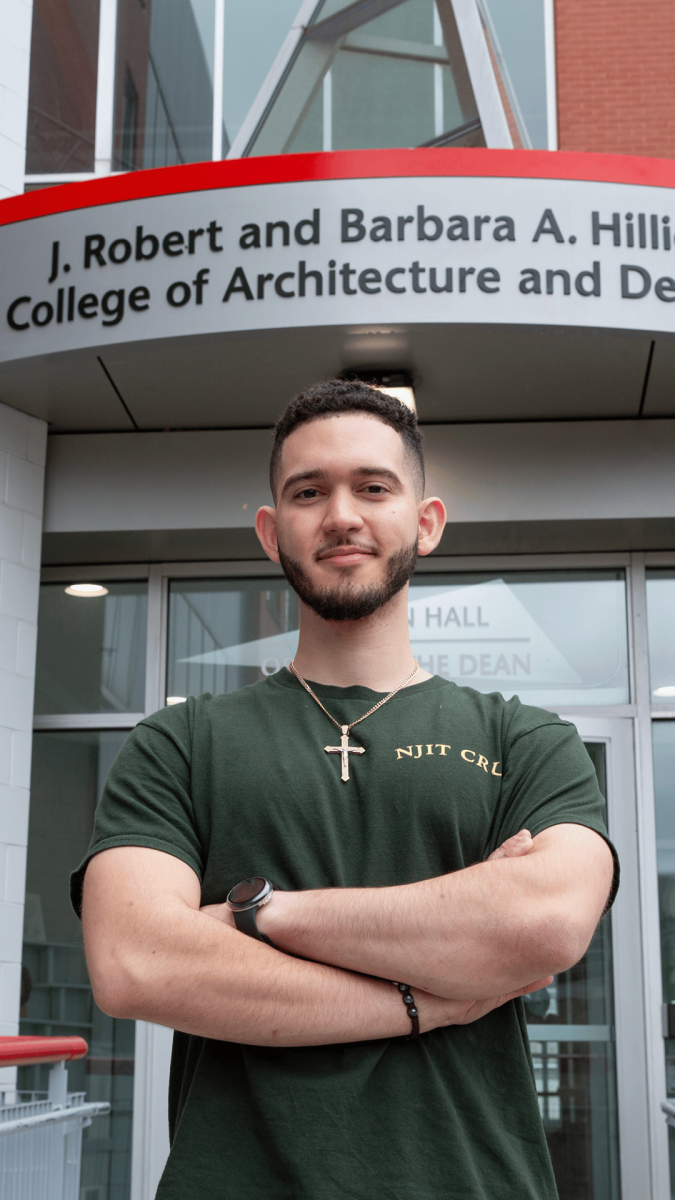
  • Seif Issa
    Getting a degree from a great school like NJIT gave me the opportunity to choose the job I wanted."
    Seif Issa
  • Hilsson Angeles
    NJIT was my dream school."
    Hilsson Angeles

Contact Us

Need Help? We’re here to advise you.

Degree Overview

  • Delivery Format: online
  • Required Credits: 30

Admissions & curriculum

Explore this area of study

Electrical Engineering Salaries

$134,856

Mid-Career Salary, National Average

$146,389

Mid-Career Salary, NYC Metro Area

Top Ranked Online Master's in Engineering Programs - U.S. News & World Report, 2025
Learn About The department of Electrical Engineering
What our students are saying
  • Olivia   Hadlaw
    While my main focus is on my classes, I'm always looking for opportunities outside of them such as traveling to conferences."
    Olivia Hadlaw
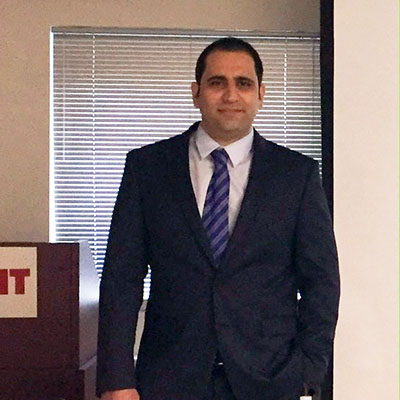
  • Abbas  Kiani
    As a doctoral candidate, NJIT gave me the best opportunity to perform interesting and instructive projects."
    Abbas Kiani
  • Cem  Erkam
    Everything is so close! I have everything I want - food, shopping, friends, and New York City. I go into Manhattan every weekend."
    Cem Erkam

Contact Us

Need Help? We’re here to advise you.

Degree Overview

  • Delivery Format: on-campus
  • Required Credits: 12

Program Details

One of the oldest departments of Newark College of Engineering, the Otto H. York Department of Chemical and Materials Engineering awarded its first three baccalaureate degrees in 1923. This program is interdisciplinary by nature, with learn outcomes crossing both the science and the engineering materials and chemicals realms, yet more lean toward the engineering side. Chemical engineers use chemistry, biology, physics and math in an integrated engineering mode in order to manufacture materials and products to modern society. They are involved with the full scale of processes, from the laboratory bench to the pilot plant and eventually to the manufacturing facility.

What You Will Learn:

  • Polymerization-Principles and Practice - The structural and synthetic aspects of polymers and examines in detail a number of bench and industrial scale polymerization methods. In addition to kinetics and mechanisms of commercially important polymerization systems, students will examine reactive modification of synthetic and natural polymers and provides an introduction to applicable characterization methods.

  • Engineering Design of Plastic Products - Structure and properties of plastics including stress-strain behavior and the effect of fillers and reinforcements. Designing for impact, flexure, shear, friction, puncture, creep and fatigue. Case studies of structural, electrical, and optical applications.

  • Mechanical Properties of Materials - Elements of elasticity and plasticity theory, deformation and fracture behavior of materials, the concept of dislocations and their interaction with other lattice defects, strengthening mechanisms in solids, and principles of failure analysis. Materials to be studied include metals, polymers, ceramics, glasses, and composites.

  • Polymer Structures and Properties - Polymer structures and properties and their relationships from the molecular viewpoint to phenomenological descriptions. Topics include thermodynamics of a single molecule, dynamic theory and viscoelasticity of polymers, polymer solids and mechanical properties, rubbers, polymer blends and composites, biological polymers, and special applications.

  • Design for Manufacturability - Methodologies used in the synthesis and analysis of product design to optimize manufacturability. The relationship of design to production processes, product material, material handling, quality costs, and CAD/CAM are presented. Emphasis is on both formed products and assembled products. Simulation and other design analysis tools are employed.

  • Characterization of Materials - Introduction in chemical and materials engineering, and other engineering and science disciplines, to fundamentals and theory of different types of materials characterization tools. Methods and techniques necessary to understand and quantify diverse materials properties will be discussed. As important for many methods, basic principles of interaction of radiation and particle beams with matter will be studied. Topics include, but are not limited to: Diffraction methods; imaging via optical, scanning, transmission electron, scanning tunnelling, and field ion microscopy; microanalysis and spectroscopy, including energy dispersive, wavelength dispersive, Auger methods; secondary ion mass spectroscopy, X-ray photoelectron spectroscopy; materials preparation for analysis, including electron, ion growth, sputtering; thermal analysis: DTA, DSC; and depending on the availability and functionality of equipment, lab visits and demonstrations will be scheduled to the class to discuss some case studies.

Admissions & curriculum

Explore this area of study

Chemical Engineering Salaries

$75,900

Starting Salary, NJIT Average

$86,991

Mid-Career Salary, National Average

NJIT’s Chemical Engineering program is in the top 100 in the country
Learn About The department of Chemical Engineering
Career Prospects

Where do Chemical Engineering majors work?

Common Job Titles
  • Chemical Engineer
  • Process Engineer
  • Manufacturing Engineer
  • Product Engineer
  • Research And Development Engineer
Top Employers
  • Colgate-Palmolive
  • FM Global
  • L'Oreal USA
  • Phillips 66
  • TEVA Pharmaceuticals
What our students are saying
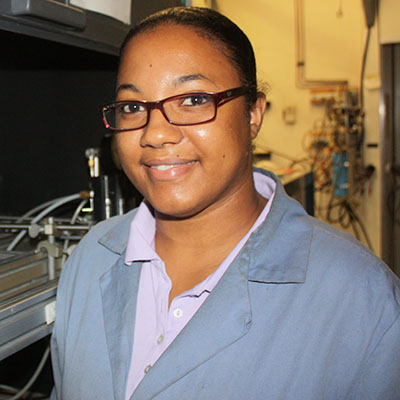
  • Mehnaz  Mursalat
    I’m working on microfluidic biosensors for cancer detection. We hope this technology will replace invasive biopsies. "
    Mehnaz Mursalat
  • Victoria Harbour
    What I love about research at NJIT is that primary investigators draw on creative and hardworking thinkers throughout the campus community. "
    Victoria Harbour
  • Kerri-Lee  Chintersingh
    I’m interested in current challenges the energy community faces."
    Kerri-Lee Chintersingh

Degree Overview

  • Delivery Format: on-campus
  • Required Credits: 12

Program Details

The field of hydrology is a crucial area of scientific study and employment for people interested in protecting the earth’s water resources, in combating water pollution and in providing engineering hydrology. Hydrologists work in conjunction with the work of civil engineers in developing water resources infrastructure. Hydrology is the scientific study of the effects, properties and distribution of water on the earth’s surface in soil, underlying rock structures and in the earth’s atmosphere. The NJIT Graduate Certificate in Hydrology and Water Resources enables students to transition into this highly important field.

What You Will Learn:

  • Physical Processes of Environmental Systems - Physical processes in various media (open water, porous media) under various hydraulic regimes (laminar and turbulent). Transport by diffusion, convection, and dispersion is considered along with absorption.

  • Introduction to Solid and Hazardous Waste Problems - Solid waste disposal; industrial and urban sources of solid waste and conventional methods of waste disposal.

  • Environmental Microbiology - The microbiology of natural and human impacted environment, fundamental microbiology in water treatment engineering, microbial detection methodologies, waterborne disease outbreaks, microbial risk assessment, biotechnologies for renewable energy, and other emerging topics that help enhance your problem-solving skills and increase your knowledge base.

  • Water Chemistry - The ability to analyze and solve a wide range of chemical equilibrium problems in water chemistry.

  • Stormwater Management - Regulatory framework, an overview of structural and non-structural BMPs, groundwater recharge analysis, estimate of runoff, and design of detention basin and drainage systems.

  • Applied Hydrogeology - Ground water and contaminant movement through the subsurface environment; aquifer geology; hydrogeologic applications including well design, pumping tests, and computer modeling of subsurface flow, and methods to monitor and remediate contaminated groundwater.

  • Open Channel Flow - The principles developed in fluid mechanics are applied to flow in open channels. Steady and unsteady flow, channel controls, and transitions are considered. Application is made to natural rivers and estuaries.

  • Hydrology - The statistical nature of precipitation and runoff data is considered with emphasis on floods and droughts. The flow of groundwater is analyzed for various aquifers and conditions. Flood routing, watershed yield, and drainage problems are considered.

  • Mathematical Fluid Dynamics I - Introduction to the basic ideas of fluid dynamics, with an emphasis on rigorous treatment of fundamentals and the mathematical developments and issues. The course focuses on the background and motivation for recent mathematical and numerical work on the Euler and Navier-Stokes equations, and presents a mathematically intensive investigation of various model equations of fluid dynamics (e.g., the Korteweg-de-Vries equations).

Admissions & curriculum

Explore this area of study

Civil Engineering Salaries

$74,600

Starting Salary, NJIT Average

$74,723

Mid-Career Salary, National Average

Top ranked MS in Civil Engineering
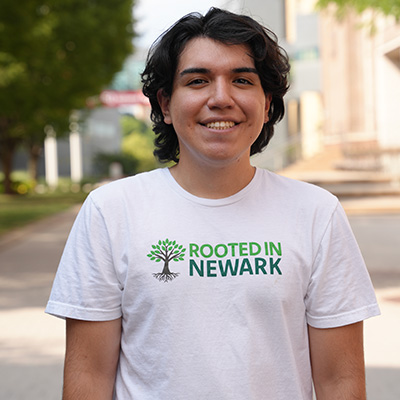
Learn About The department of Civil Engineering
Career Prospects

Where do Civil Engineering majors work?

Common Job Titles
  • AutoCAD Drafter
  • Civil Engineer
  • Staff Engineer
  • Structural Engineer
  • Project Manager
Top Employers
  • NJ Department of Transportation
  • Banc3 Inc.
  • Stantec
  • Mott MacDonald
  • PSE&G
What our students are saying
  • Andrew  Pennock
    What’s unique and special about NJIT is how available professors are to talk one-on-one to discuss career directions."
    Andrew Pennock
  • Mikaya  Hamilton
    I think I learned a lot from NJIT about myself. How much I could push myself. How much I could accomplish. There are no limits to what you can do as long as you believe in yourself"
    Mikaya Hamilton
  • Vatsal  Shah
    NJIT provides its students with the technical skills required to be an engineer, but also the mindset needed to tackle the challenges within our region."
    Vatsal Shah

Degree Overview

  • Delivery Format: on-campus
  • Required Credits: 12

Program Details

Students will learn to develop sustainable solutions to environmental problems, preparing to work with regional, national and global communities to protect the environment and improve water quality. Jobs in this field are essential in planning, designing and constructing water and wastewater treatment plants, solid waste disposal systems, site remediation approaches and emission control measures.

What You Will Learn:

  • Physical Processes of Environmental Systems - Physical processes in various media (open water, porous media) under various hydraulic regimes (laminar and turbulent). Transport by diffusion, convection, and dispersion is considered along with absorption.

  • Environmental Microbiology - Microbiology of natural and human impacted environment, fundamental microbiology in water treatment engineering, microbial detection methodologies, waterborne disease outbreaks, microbial risk assessment, biotechnologies for renewable energy, and other emerging topics

  • Site Remediation - Regulations, cleanup standards, remedial investigations, feasibility studies, risk assessment, and safety. Established and innovative cleanup technologies such as incineration, containment, bioremediation, vapor extraction and ground water recovery.

  • Physical and Chemical Treatment - Physical and chemical operations and processes employed in the treatment of water and wastewater. Gas transfer, coagulation, flocculation, solid-liquid separation, filtration, and disinfection.

  • Biological Treatment - Principles of evaluation and control of water pollution that describe aerobic treatment processes such as oxidation ponds, trickling filters, and activated sludge; and anaerobic processes, and sludge handling and disposal as wall as biodegradability study techniques for various wastes.

  • Environmental Impact Analysis - Environmental problems, federal and state standards, methodology for developing impact statements, case studies based on recent experience, basis for assessment and decision making.

  • Stormwater Management - With an emphasis on design practices, you will learn regulatory framework, an overview of structural and non-structural BMPs, groundwater recharge analysis, estimate of runoff, and design of detention basin and drainage systems.

  • Geotechnical Aspects of Solid Waste - municipal landfill, dredged materials, coal and incinerator ashes, identification and classification of waste materials, geological criteria for siting, laboratory and field testing, design for impoundment and isolation of waste, methods of stability analyses of landfill sites, techniques for stabilizing waste sites, leachate and gas collection and venting systems.

  • Legal Aspects in Environmental Engineering - Control of air, water, and solid waste pollution by federal, state, and local government statutes and international law. Preparation of environmental impact statements and the right of private citizens to bring suit under federal clean air and water pollution legislation are discussed, as well as limitations on these rights.

Admissions & curriculum

Explore this area of study

Environmental Engineering Salaries

$48,750

Starting Salary, NJIT Average

$63,447

Mid-Career Salary, National Average

NJIT’s graduate programs in Environmental Engineering rank in the top 75 in the U.S.
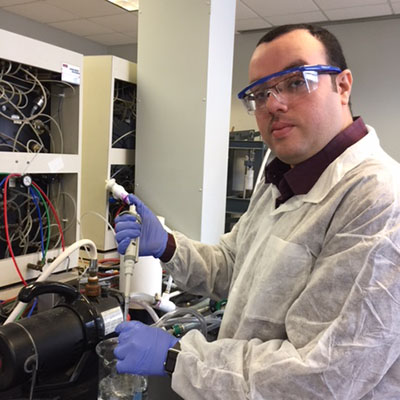
Learn About The department of Environmental Engineering
Career Prospects

Where do Environmental Engineering majors work?

Common Job Titles
  • Junior Civil Engineer
  • Sr. Transportation Engineering Manager
  • Hydrologist
Top Employers
  • Arcadis Inc.
  • Aecom Corporation
  • Environ International Corporation (EIC)
What our students are saying
  • Ahmed Khaled  Abdella
    I work on nanobubbles. My target is to help develop simple, cheap, eco-friendly and safe technologies for all parts of the world."
    Ahmed Khaled Abdella
  • Wenxin  Ye
    I’m from Beijing, and I’ve been aware of environmental issues since I was a kid. I’m here to learn how to improve and fix these problems."
    Wenxin Ye
  • Hilsson Angeles
    NJIT was my dream school."
    Hilsson Angeles