Image

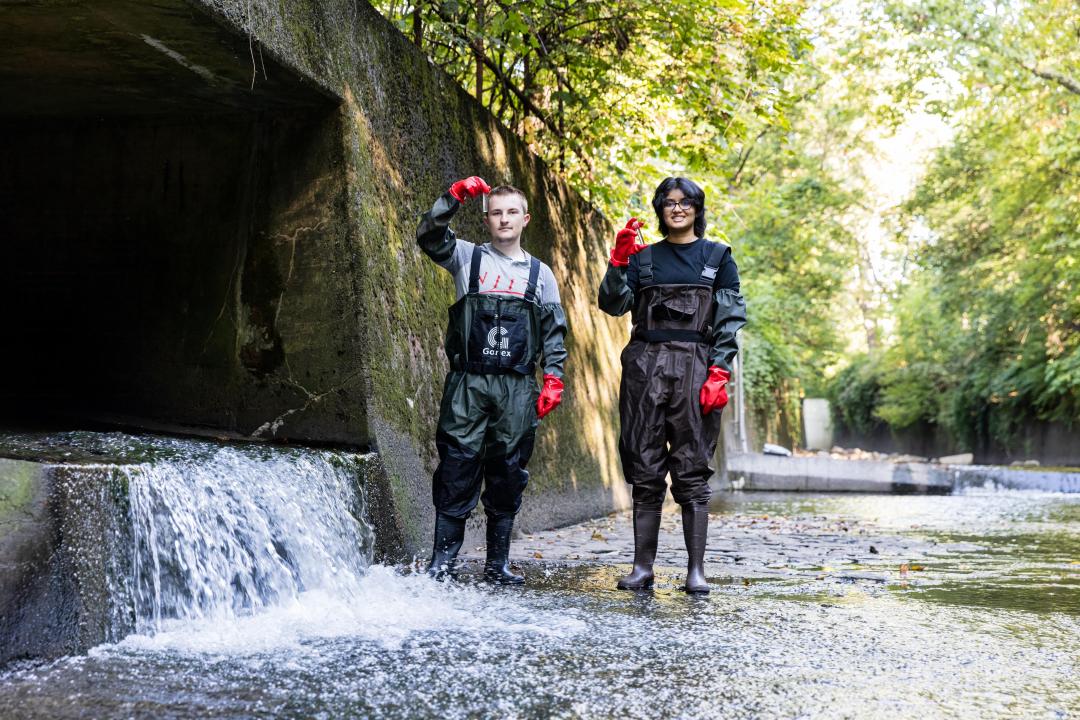
In today's built environment, every major civil project relies on sustainable engineering practices and keeping our ecosystems safe. At NJIT, we understand that safeguarding public health is a multi-billion-dollar global necessity requiring professionals who blend technical expertise with complex regulatory strategy. From managing water purification plants to directing industrial emission controls, the intersection between STEM and environmental management is rapidly growing.
NJIT's B.S. in Environmental Engineering is designed to prepare students for this high-demand job market.
Curriculum Includes:
|
Careers Include:
|
Passion for the planet is a start, but building the blueprint to fix global pollution relies on one discipline: Environmental Engineering. As industrial activity, population growth and emerging contaminants continue to place pressure on our air, water and soil resources, it takes more than a basic science background to protect the modern world: It takes specialized technical leaders.
NJIT’s Environmental Engineering program combines the critical science of advanced materials and pollution control technologies with design and engineering principles. You won’t just learn how environmental ecosystems function, you will learn how to design, build and lead the massive infrastructure behind them.