Degree Overview
- Delivery Format: on-campus
- Required Credits: 12
Program Details
The Certificate in Pharmaceutical Manufacturing is designed to educate professionals with backgrounds in engineering or science and provide them with the critical skills required to work in pharmaceutical production and pharmaceutical manufacturing areas.
What You Will Learn:
Students in the Pharmaceutical Manufacturing Graduate Certificate Program will learn a wide range of leadership and management skills in addition to the following skills:
- Principles of pharmaceutical engineering (drug discovery and development, FDA requirements and approval processes, drug dosage forms, roles of key operational units).
- Pharmaceutical facility design.
- Validation and regulatory issues, including a working knowledge of the Federal Code of Regulations.
- Pharmaceutical packaging technology
Admissions & curriculum
12 Required Credits
Explore this area of study
Salaries
$75,900
Starting Salary, NJIT Average
$86,991
Mid-Career Salary, National Average
NJIT’s Chemical Engineering program is in the top 100 in the country
Career Prospects
Where do Chemical Engineering majors work?
Common Job Titles
- Chemical Engineer
- Process Engineer
- Manufacturing Engineer
- Product Engineer
- Research And Development Engineer
Top Employers
- Colgate-Palmolive
- FM Global
- L'Oreal USA
- Phillips 66
- TEVA Pharmaceuticals
What our students are saying
-
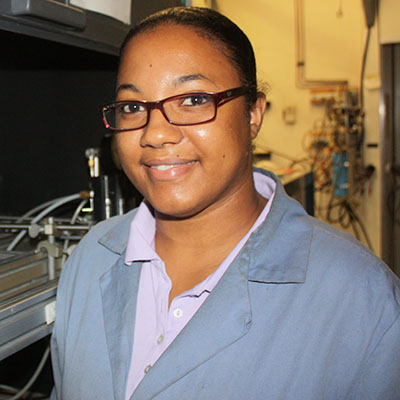
I’m interested in current challenges the energy community faces."Kerri-Lee Chintersingh -
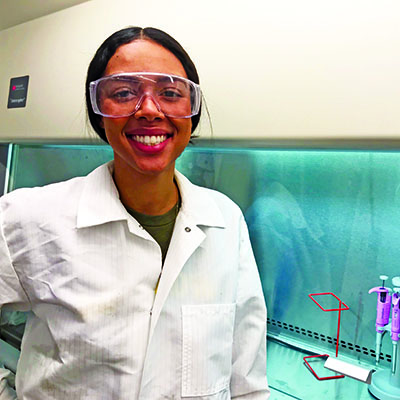
I’m working on microfluidic biosensors for cancer detection. We hope this technology will replace invasive biopsies. "Mehnaz Mursalat -
What I love about research at NJIT is that primary investigators draw on creative and hardworking thinkers throughout the campus community. "Victoria Harbour
Contact Us
Need Help? We’re here to advise you.