Chemistry
Materials Science and Engineering (Materials Science Option)
What do Materials Science and Engineering (Materials Science Option) majors do?
-
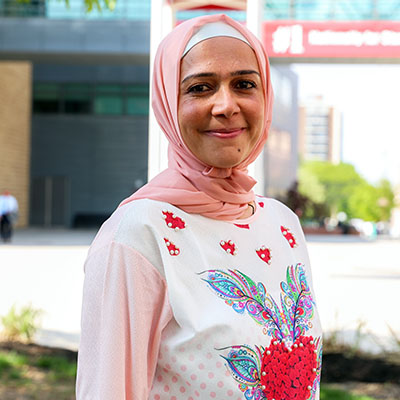
I have enjoyed my time in the Materials Science and Engineering Program, particularly the small classes and individual attention that help in hands-on learning."Emine S. Karaman -
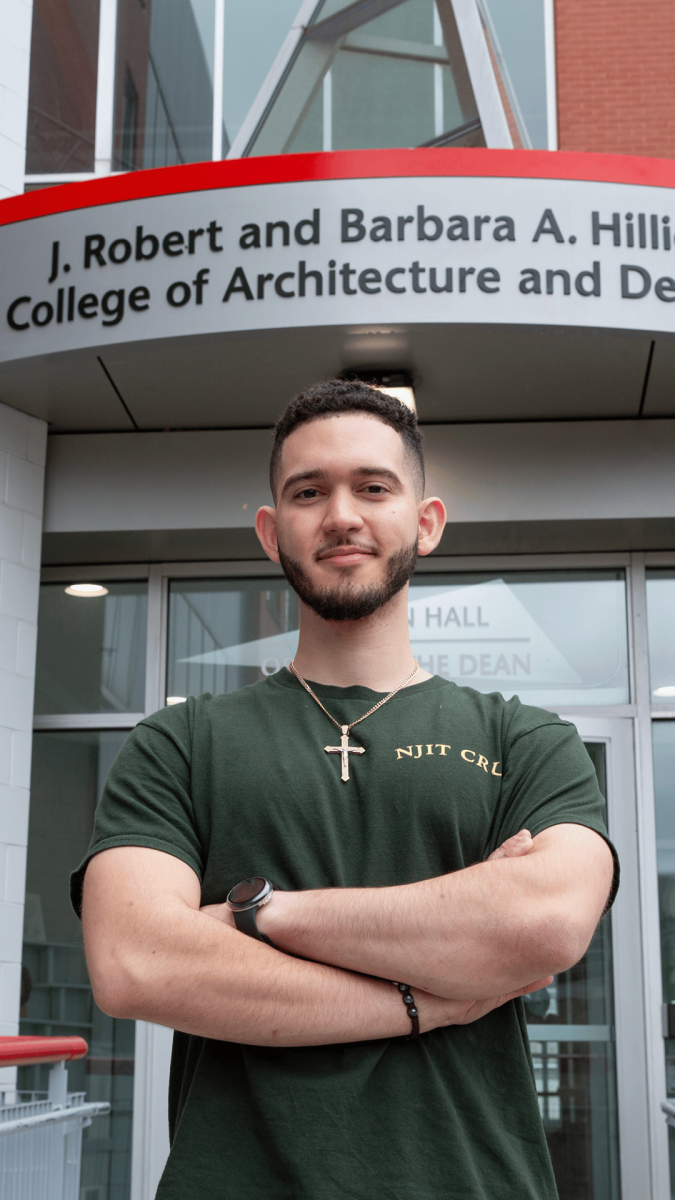
NJIT was my dream school."Hilsson Angeles -
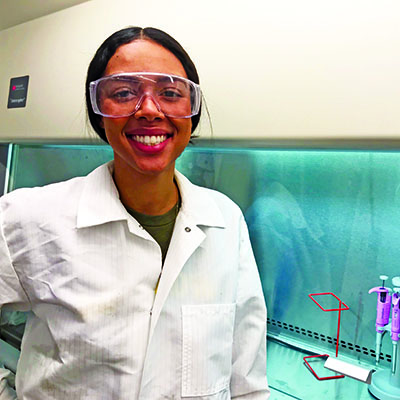
Getting a degree from a great school like NJIT gave me the opportunity to choose the job I wanted."Seif Issa
Related Majors
Explore all the degrees you can earn at NJIT
Explore NowForensic Science
What do Forensic Science majors do?
-
NJIT was my dream school."Hilsson Angeles -
Getting a degree from a great school like NJIT gave me the opportunity to choose the job I wanted."Seif Issa
Related Majors
Pharmaceutical Chemistry
What do Pharmaceutical Chemistry majors do?
-
NJIT was my dream school."Hilsson Angeles -
Getting a degree from a great school like NJIT gave me the opportunity to choose the job I wanted."Seif Issa
Related Majors
Materials Engineering
What do Materials Engineering majors do?
-
I have enjoyed my time in the Materials Science and Engineering Program, particularly the small classes and individual attention that help in hands-on learning."Emine S. Karaman -
NJIT was my dream school."Hilsson Angeles -
Getting a degree from a great school like NJIT gave me the opportunity to choose the job I wanted."Seif Issa
Related Majors
Explore all the degrees you can earn at NJIT
Explore NowChemical Engineering
What do Chemical Engineering majors do?
-
I would recommend NJIT’s PhD program because the research we do here is some of the most cutting edge in the country. "Andrew House -
What I love about research at NJIT is that primary investigators draw on creative and hardworking thinkers throughout the campus community. "Victoria Harbour -
I’m working on microfluidic biosensors for cancer detection. We hope this technology will replace invasive biopsies. "Mehnaz Mursalat
Related Majors
Degree Overview
- Delivery Format: on-campus
- Required Credits: 36
Program Details
One of the primary objectives for students of the Chemistry Ph.D. program is the successful completion of an original research project in close mentorship by their research adviser and the presentation and defense of the Ph.D. dissertation. This intense research experience provides the education and training necessary for the student to substantiate his/her expertise and develop the skills necessary to become an independent professional. By the end of their Ph.D. work, students will have exhibited and/or engaged in the following:
- Focused, Independent Research: Students will conduct advanced independent research in their focus of chemistry, either on-site or at the professional laboratories where they work.
- Mastery of Scientific Communication: Students’ Ph.D. research culminates in the writing and presentation of the dissertation for examination by a committee consisting of a minimum of five members, including the research adviser.
- Career Readiness: Graduates will exhibit thoroughness in their research and possess highly-advanced working knowledge in their specified field to compete for top positions in industry, government and academia.
What You Will Learn:
In the Chemistry Ph.D. program, students will learn critical skills needed to pursue independent research investigations, collaborate on research projects or teach in an academic setting. Through the program, students will produce research articles that demonstrate a high level of knowledge and innovation in chemistry, as well as exhibit thoroughness in their research and honesty in their presentations to compete for positions in industry and academia. Overall we specifically aim for our Ph.D. chemistry students to meet the following learning outcomes:
-
Complete their Ph.D. requirements in five years or less.
-
The capability of learning and working independently.
-
Ability to find positions in their areas of chemistry.
-
Each Ph.D. graduate is expected to publish his/her research in respected refereed journals.
-
Broad understanding of major concepts, advanced theoretical principles, as well as experimental methods and findings in the field of chemistry.
-
Ability to effectively communicate and collaborate with professional conduct in a classroom and laboratory setting.
-
Demonstrate efficient problem-solving skills and ability to think critically to address problems in analytical, inorganic, organic and physical chemistry.
-
Demonstrate knowledge of lab procedures and adherence to ethical research conduct in order to properly conduct experiments, analyze data and interpret results.
-
Demonstrate effective written and oral communication skills, in order to communicate research and complex findings to specialist and general audiences.
-
Demonstrate effective understanding and application of modern tools and equipment used for chemical analysis.
-
Proficient use of computational methods used for chemical simulation.
-
Demonstrate effective use of research tools needed to investigate and evaluate scientific journals for relevant findings or information.
-
Demonstrate strict adherence to safety and chemical hygiene regulations and practices.
Admissions & curriculum
Chemistry Salaries
Starting Salary, NJIT Average
In 2016, the Food and Drug Administration hired the most employees titled “Chemistry,” with an average salary of $108,445.

Where do Chemistry majors work?
- Technical Area Lead
- Operations Analyst
- Senior Scientist
- Laboratory Manager
- Mylan
- NYU Langone Health
- Bristol Myers Squibb
- Merck
-
With the excellent training I got at NJIT, I am ready to start a new journey and explore the world."Xinglei Liu -
Studying in a multidisciplinary setting at NJIT taught me how to approach problems from both engineering and scientific perspectives."Antanina Voit -
Doing master's in Pharmaceutical Chemistry was a great choice for my career."Anjali Sharma
-
Belfield, Kevin
- Dean, College of Science and Liberal Arts
-
Champagne, Pier Alexandre
- Assistant Professor
-
Chen, Hao
- Professor
-
Eberhart, Michael
- Assistant Professor
-
Gund, Tamara
- Professor
-
Khalizov, Alexei
- Professor
-
Krasnoperov, Lev
-
Li, Mengyan
- Professor
-
Mitra, Somenath
- Distinguished Professor
-
Sadik, Wunmi
- Vice Provost for Faculty Affairs
-
Shakib, Farnaz
- Assistant Professor
-
Zhang, Yuanwei
- Associate Professor
Biochemistry
What do Biochemistry majors do?
-
The Biochemistry program at NJIT has thoroughly prepared me for my STEM career."Helene Brochon -
My Biochemistry degree has provided numerous opportunities for work and research in related fields."Nicole Andanar -
NJIT was my dream school."Hilsson Angeles
Related Majors
Degree Overview
- Delivery Format: on-campus
- Required Credits: 30
Program Details
In the Chemistry M.S. program, students will continue advanced theoretical studies in the chemical sciences in addition to practical, career-focused studies and research opportunities. The objective of the program is to prepare students with the foundation of knowledge and lab experience that they can apply to related Ph.D. programs or launch successful careers.
We expect that, as a student and/or graduate of the program, you will exhibit and/or engage in the following:
-
Continued Excellence in Chemistry: Students will be motivated to enjoy and understand chemistry and see value in further education (Ph.D.) and academic or industrial careers in their area.
-
Career-focused Study: Students will strengthen their education to that of a strong chemist capable of working successfully and learning independently as individuals in their target area of chemistry — within the many chemical industrial positions available. These students will serve to form strong industry–academic alliances for further interaction and benefit of both parties.
-
Professional Science Communication: Students will improve and raise the level of fundamental understanding in chemistry and provide research knowledge, so they will better inform the general public or future students as teachers.
What You Will Learn:
The Chemistry M.S. program offers students the opportunity to earn meaningful research experience alongside faculty at the university’s cutting-edge facilities, as well as through the university’s private and institutional research partnerships. Students will be able to engage in their research focus of interest in order to learn skills they need to prepare them for successful careers in academic, industry and government research. Along with research and study in their chosen field within the chemical sciences, we specifically aim for our students to meet the following learning outcomes:
-
Broad understanding of major concepts, advanced theoretical principles, as well as experimental methods and findings in the field of chemistry.
-
Ability to effectively communicate and collaborate with professional conduct in a classroom and laboratory setting.
-
Demonstrate efficient problem-solving skills and ability to think critically to address problems in analytical, inorganic, organic and physical chemistry.
-
Demonstrate knowledge of lab procedures and adherence to ethical research conduct in order to properly conduct experiments, analyze data and interpret results.
-
Demonstrate effective written and oral communication skills, in order to communicate research and complex findings to specialist and general audiences.
-
Demonstrate effective understanding and application of modern tools and equipment used for chemical analysis.
-
Proficient use of computational methods used for chemical simulation.
-
Demonstrate effective use of research tools needed to investigate and evaluate scientific journals for relevant findings or information.
-
Demonstrate strict adherence to safety and chemical hygiene regulations and practices.
Admissions & curriculum
Chemistry Salaries
Starting Salary, NJIT Average
In 2016, the Food and Drug Administration hired the most employees titled “Chemistry,” with an average salary of $108,445.

Where do Chemistry majors work?
- Technical Area Lead
- Operations Analyst
- Senior Scientist
- Laboratory Manager
- Mylan
- NYU Langone Health
- Bristol Myers Squibb
- Merck
-
I am gaining an excellent research experience at NJIT that is preparing me for my goal, which is to be a general surgeon."Tinghan Zhao -
With the excellent training I got at NJIT, I am ready to start a new journey and explore the world."Xinglei Liu -
Studying in a multidisciplinary setting at NJIT taught me how to approach problems from both engineering and scientific perspectives."Antanina Voit
-
Belfield, Kevin
- Dean, College of Science and Liberal Arts
-
Champagne, Pier Alexandre
- Assistant Professor
-
Chen, Hao
- Professor
-
Gund, Tamara
- Professor
-
Khalizov, Alexei
- Professor
-
Krasnoperov, Lev
-
Li, Mengyan
- Professor
-
Mitra, Somenath
- Distinguished Professor
-
Sadik, Wunmi
- Vice Provost for Faculty Affairs
-
Shakib, Farnaz
- Assistant Professor
-
Zhang, Yuanwei
- Associate Professor
Degree Overview
- Delivery Format: on-campus
- Required Credits: 30
Program Details
The objective of the Professional Science Master’s Cell and Gene Therapy Sciences option in Master of Science in Pharmaceutical Chemistry is to prepare students, as well as professional scientists and engineers, for dynamic careers in the biopharmaceutical industry. The program will focus on providing integrated coursework and training in current biotechnology industry practices. Students of the program will combine their advanced theoretical study with meaningful hands-on expertise gained by engaging in career-focused research at the university’s cutting-edge facilities and research partnerships.
We expect that students of the program will exhibit:
- Professionalism: Students will sharpen top-level professional skills at NJIT’s cutting-edge research facilities to excel in business administration, leadership and management.
- Academic Excellence: Our students will hone and effectively apply their technical training in biopharmaceutical chemistry, with an emphasis on biotechnology.
- Commitment to Growth and Development: Students will stay up to date on the latest biotechnology industry changes and challenges to prepare them to work in this growing and exciting industry.

What You Will Learn:
Through their advanced coursework and research opportunities, we aim for students of the program to meet the following learning outcomes:
- Become adept at identifying strengths and weaknesses of particular methods, and determining which one are optimal for particular synthetic operations
- Become familiar with cellular digestion, absorption and metabolism, including regulatory processes and pathology-induced interruptions
- Explain the basic elements of structure of amino acids, proteins, nucleic acids, carbohydrates and lipids
- Describe higher-order structure in proteins and relate it to function
- Demonstrate the role of the intermolecular forces in macromolecular structure and function
- Interpret kinetic data and identify types of enzyme inhibition
- Write and describe the key biosynthetic pathways in living systems
- Apply thermodynamic principles to understand energy production in biological systems
- Discuss electron transport and energy production
- Discuss biochemical processes: replication, transcription, and translation
- Explain biosynthesis of proteins
- Demonstrate an understanding of the role of medicinal chemistry plays in drug discovery, drug action, and pharmacy practice.
- Become familiar with cellular digestion, absorption, and metabolism, including regulatory processes and pathology-induced interruptions
- Apply knowledge of cell and molecular biology to identify the causes of disease, effects of existing drugs, and the development of new modes of treatment
- Become familiar with cellular digestion, absorption, and metabolism, including regulatory processes and pathology-induced interruptions
- Understand the role of the pharmaceutical industry in the global market and its implications
- Learn the fundamentals of the drug development cycle and the investment required to bring a drug to market
- Learn the most important drug manufacturing processes and the key elements of dosage formulation
Admissions & curriculum
Chemistry Salaries
Starting Salary, NJIT Average
In 2016, the Food and Drug Administration hired the most employees titled “Chemistry,” with an average salary of $108,445.
Where do Chemistry majors work?
- Technical Area Lead
- Operations Analyst
- Senior Scientist
- Laboratory Manager
- Mylan
- NYU Langone Health
- Bristol Myers Squibb
- Merck
-
With the excellent training I got at NJIT, I am ready to start a new journey and explore the world."Xinglei Liu -
The knowledge and skills acquired in NJIT enabled me to embrace a bright future in both job market and social network."Xiangshan Liu -
Studying in a multidisciplinary setting at NJIT taught me how to approach problems from both engineering and scientific perspectives."Antanina Voit
Contact Us
Need Help? We’re here to advise you.
Chemistry
What do Chemistry majors do?
-
Studying in a multidisciplinary setting at NJIT taught me how to approach problems from both engineering and scientific perspectives."Antanina Voit -
I enjoy my education at NJIT, it fosters my professional and personal growth."Jie Dou -
Doing master's in Pharmaceutical Chemistry was a great choice for my career."Anjali Sharma